
For many SMEs, accounting begins as a necessary compliance exercise. Receipts are kept in folders, invoices are stored in email inboxes and financial records are only updated when tax deadlines or audits approach.
While this approach may work during the early stages of a business, it often becomes a barrier to growth as operations become more complex.
Modern cloud accounting systems do far more than digitise bookkeeping. They provide business owners with real-time financial information, improve operational efficiency and create a stronger foundation for growth.
Gain Real-Time Visibility Over Your Business
One of the biggest challenges faced by growing businesses is the lack of timely financial information.
When accounting records are maintained manually, management often makes decisions based on outdated information. By the time financial reports are prepared, the opportunity to act may have already passed.
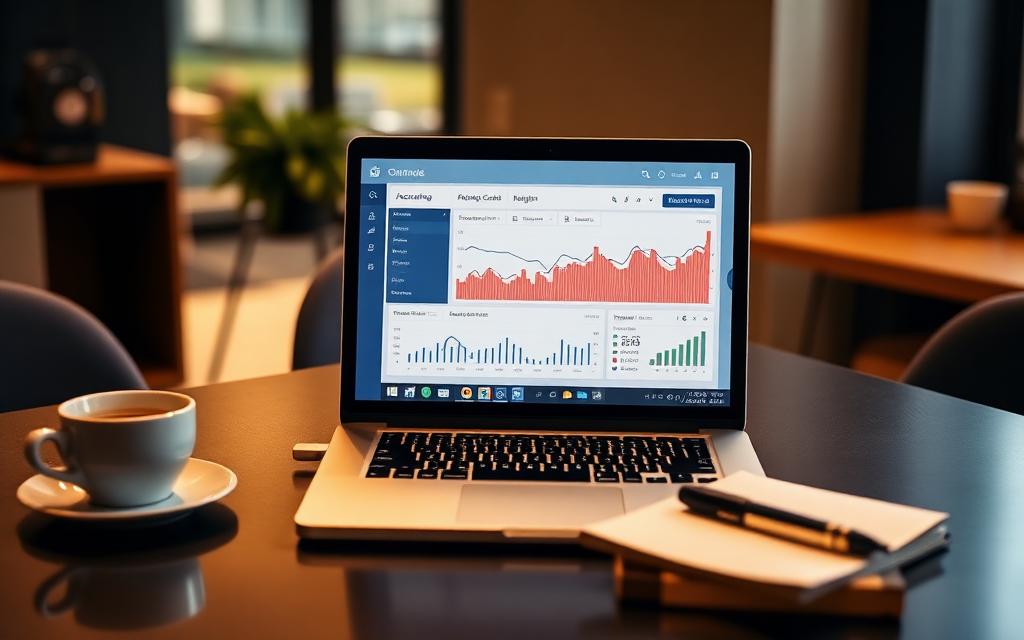
Digital solutions such as cloud accounting systems provide immediate access to key information such as cash balances, outstanding receivables, upcoming payment obligations and business performance. This allows business owners to make informed decisions based on current data rather than historical estimates.
Improve Cash Flow Management
Many profitable businesses encounter cash flow difficulties because they lack visibility over customer collections and upcoming commitments.
Cloud-based systems allow businesses to monitor overdue invoices, automate customer reminders, track supplier payments and maintain greater control over working capital.
Better information leads to better cash flow management, which remains one of the most important drivers of business success.
Be Ready for Banks, Investors and Auditors
As businesses grow, external stakeholders increasingly require reliable financial information.
Whether applying for bank financing, attracting investors, or undergoing an audit, businesses with accurate and well-maintained financial records are generally viewed more favourably.
Cloud accounting systems provide structured, transparent and easily accessible financial information that supports financing applications, due diligence exercises and regulatory compliance.
Support E-Invoicing and Digital Compliance
The introduction of e-invoicing has accelerated the digitalisation of business processes across Malaysia.
Businesses that continue to rely heavily on manual processes may face increased administrative burdens as compliance requirements evolve.
Modern accounting systems are increasingly designed to support digital workflows and integration with regulatory requirements, helping businesses streamline compliance while reducing manual effort.
Allow Business Owners to Focus on Growth
Perhaps the greatest benefit of automation is the ability to redirect time towards higher-value activities.
Tasks such as data entry, document filing, invoice generation and transaction matching can increasingly be automated, allowing management to focus on customers, operations, strategy and growth initiatives.
The objective is not simply to reduce paperwork—it is to provide business owners with more time to grow their business.
Technology Is No Longer Optional
Digital solutions are no longer a tool reserved for large corporations. It has become a fundamental component of running an efficient and scalable business. Businesses that invest in modern accounting systems often benefit from better visibility, stronger controls, improved compliance and more informed decision-making. More importantly, they are better positioned to secure financing, attract investors and support future growth.
How We Can Help
At KS Lau & Co., we assist businesses in implementing digital solutions, improving financial processes, strengthening reporting frameworks and preparing for e-invoicing compliance. Whether you are transitioning from spreadsheets or looking to optimise existing systems, we can help build the financial infrastructure required to support your next stage of growth.